
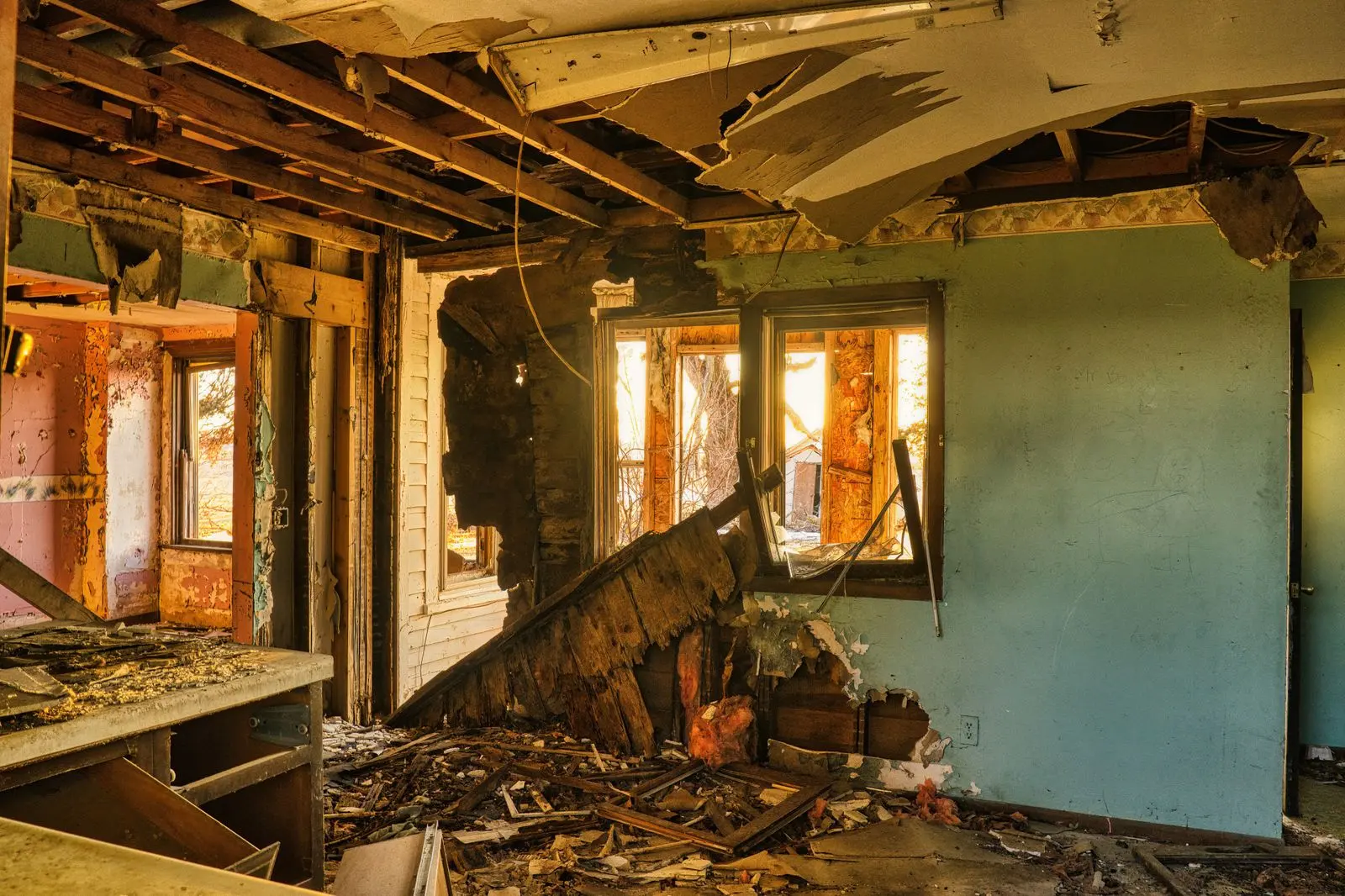
Shell-back strip-outs
Commercial Interior Demolition in Cupertino
A departing tenant's build-out has to come out of a Cupertino storefront or office before the next tenant can build. We strip restaurants, shops and offices back to the shell on the schedule your lease sets.
Tenant Strip-Outs on Stevens Creek and De Anza Boulevards
Cupertino has a steady turnover of small commercial spaces. Shopping centers along Stevens Creek Boulevard and De Anza Boulevard hold restaurants, tea shops, tutoring centers, salons and small medical offices. Many leases require the departing tenant to return the space to a vanilla shell, and the incoming tenant often needs more removed than the last one left. Either way, the space gets stripped.
A strip-out usually takes out non-structural walls, ceilings and grid, flooring, millwork, counters, plumbing fixtures, lighting and wiring back to the panel, and anything the tenant installed. The landlord's work letter or the new tenant's drawings decide exactly where the limits are. We walk the space with both in hand.
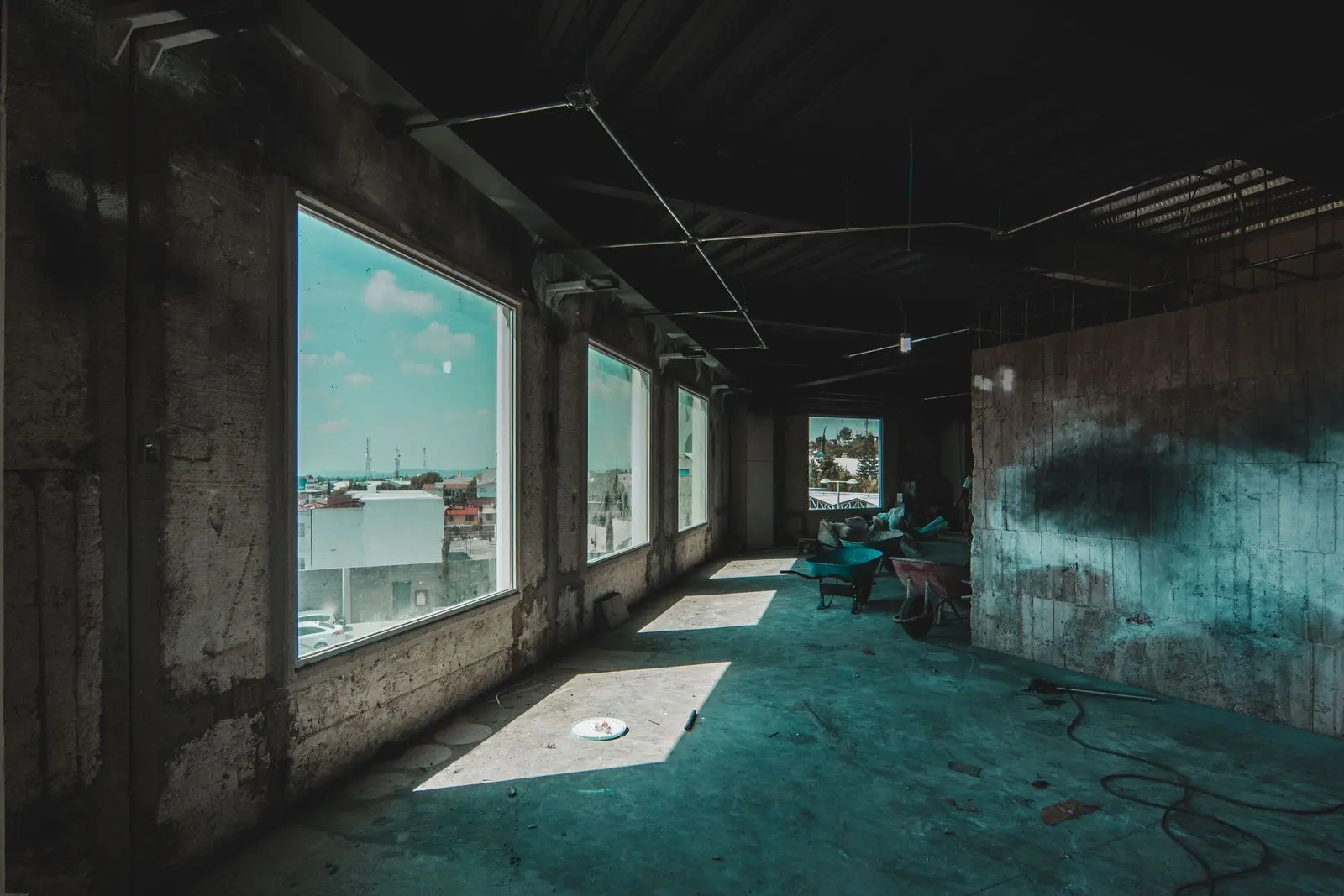
Restaurant Demolition in Cupertino Shopping Centers
Restaurant spaces take more work than shops. Hood systems and their ducts run through the roof. Walk-in coolers sit on insulated floors. Tile floors are set on mortar beds with floor sinks and trench drains below. Gas lines run to every cooking station, and a grease interceptor sits outside or under the floor. Each of these needs the right trade and sequence.
We coordinate with the landlord's roofer when the hood duct penetration is closed, with a plumber when the gas and drains are capped, and with the sanitary district when a grease interceptor is removed or abandoned. Refrigerant in coolers is recovered by a certified technician before units are hauled. Steel from hoods, cooler panels and shelving goes to scrap.
Office Strip-Outs Near Apple Park and Vallco
The office buildings around Tantau Avenue, Vallco Parkway and North De Anza are a mix of small professional suites and larger floors leased to tech tenants. An office strip-out usually means demountable walls, glass fronts, raised floors, data cabling, ceiling grid and carpet. Cabling often has to be pulled out completely by building rules, and old raised floor panels and pedestals are a lot of steel.
Office work often runs in occupied buildings. Elevators are protected, freight is booked through building management, and noisy work is moved to evenings or weekends when the landlord requires it. Property managers receive a written work plan and whatever documents their building rules call for before we mobilize.
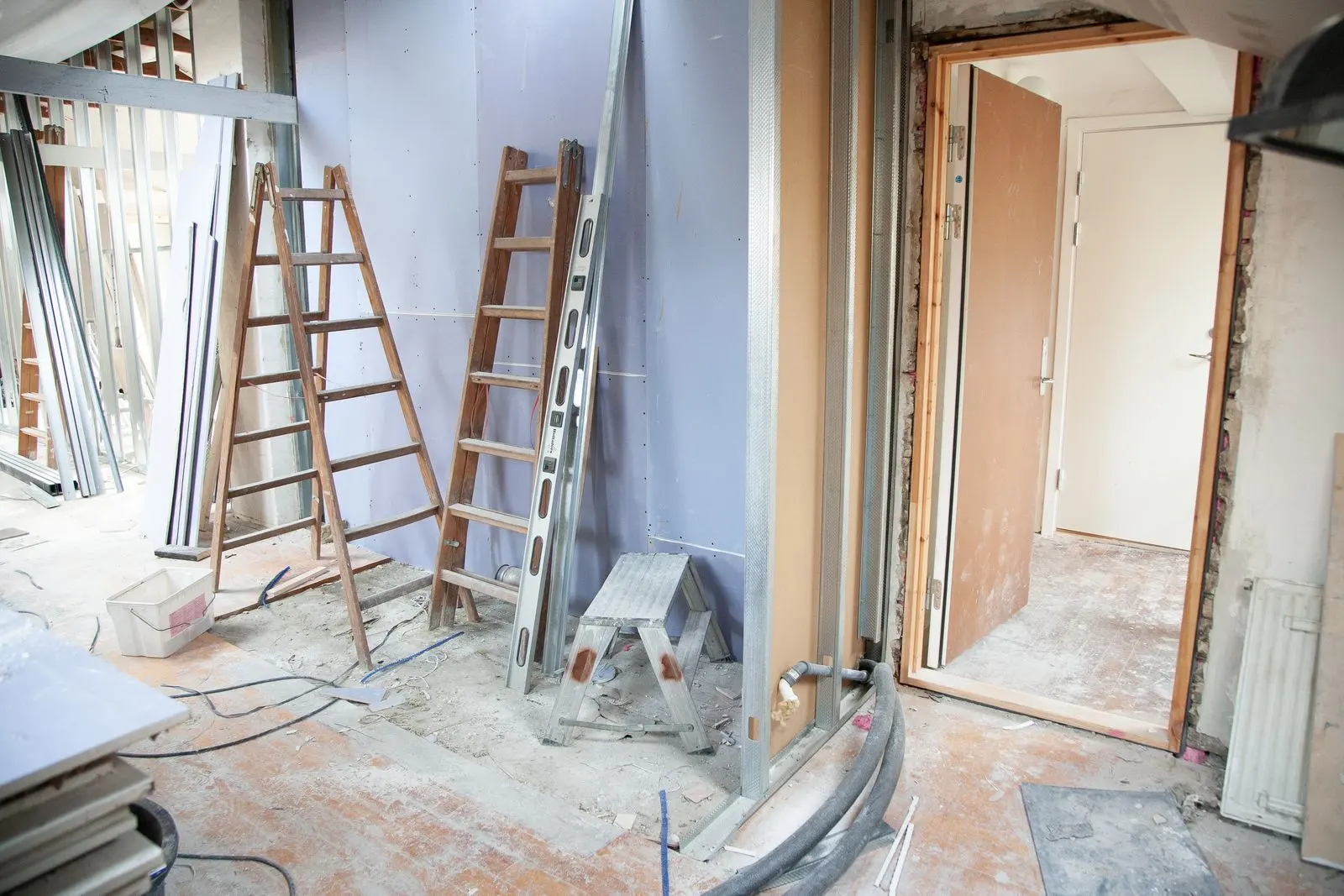
Permits and Asbestos for Commercial Interiors
Cupertino's Building Division normally wants a permit on file for commercial interior demo, whether it is issued alone or folded into the tenant improvement permit. Buildings from before 1980 can hide asbestos in vinyl tile, black mastic, lay-in ceiling panels and joint compound, so a survey goes first. If the renovation removes a load-supporting structural member, the Bay Area Air Quality Management District notice may also apply.
Fire sprinkler heads in the ceiling stay live in most strip-outs and need to be protected or adjusted by the fire sprinkler contractor. Exit signs, emergency lights and fire alarm devices are coordinated with the building so the space stays safe during work.
Returning a Cupertino Retail Space to Shell Condition
Many leases in Cupertino centers spell out what the departing tenant must leave behind, and the landlord walks the space before releasing the deposit. Typical items are a clean slab with old adhesive scraped, capped plumbing at the wall or floor, electrical made safe back to the panel, and ceiling grid either left in good shape or fully removed. We read the lease language with you so the strip-out matches it.
If the incoming tenant has already been chosen, it can save time and money to coordinate with their contractor. Some walls or the ceiling grid may be reused, and there is no point removing something only to put the same thing back a month later.
What Commercial Strip-Outs Include in Cupertino
Walls, Ceilings and Floor Removal
Partition walls, ceiling grid and tile, soffits, carpet, vinyl, tile and raised floors are removed to the limits in the landlord's work letter or the new tenant's drawings.
Kitchen and Hood Removal
Restaurant hoods, ducts, walk-ins, prep tables and floor drains are taken out with the right trades capping gas, closing roof openings and recovering refrigerant.
Strip-Out Scheduling Around Your Lease
We work around the lease end date, landlord rules, after-hours requirements and the incoming tenant's start date, so the space turns over on time.
Clean Shell and Debris Recycling
Metal, ceiling tile, carpet and clean wood are separated where possible. The space is left broom clean and ready for the next tenant improvement.
Commercial Strip-Outs: Job Site Photos
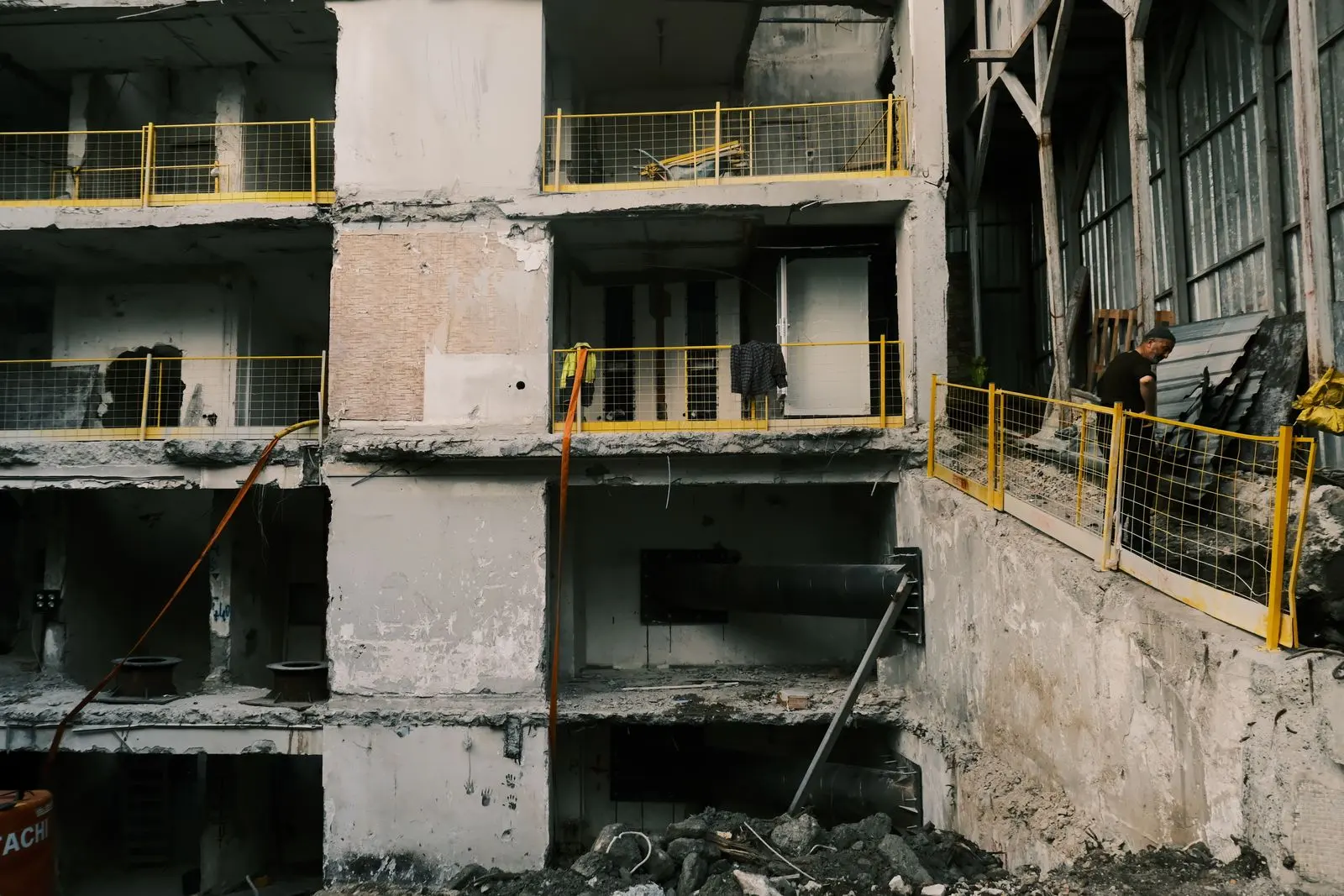
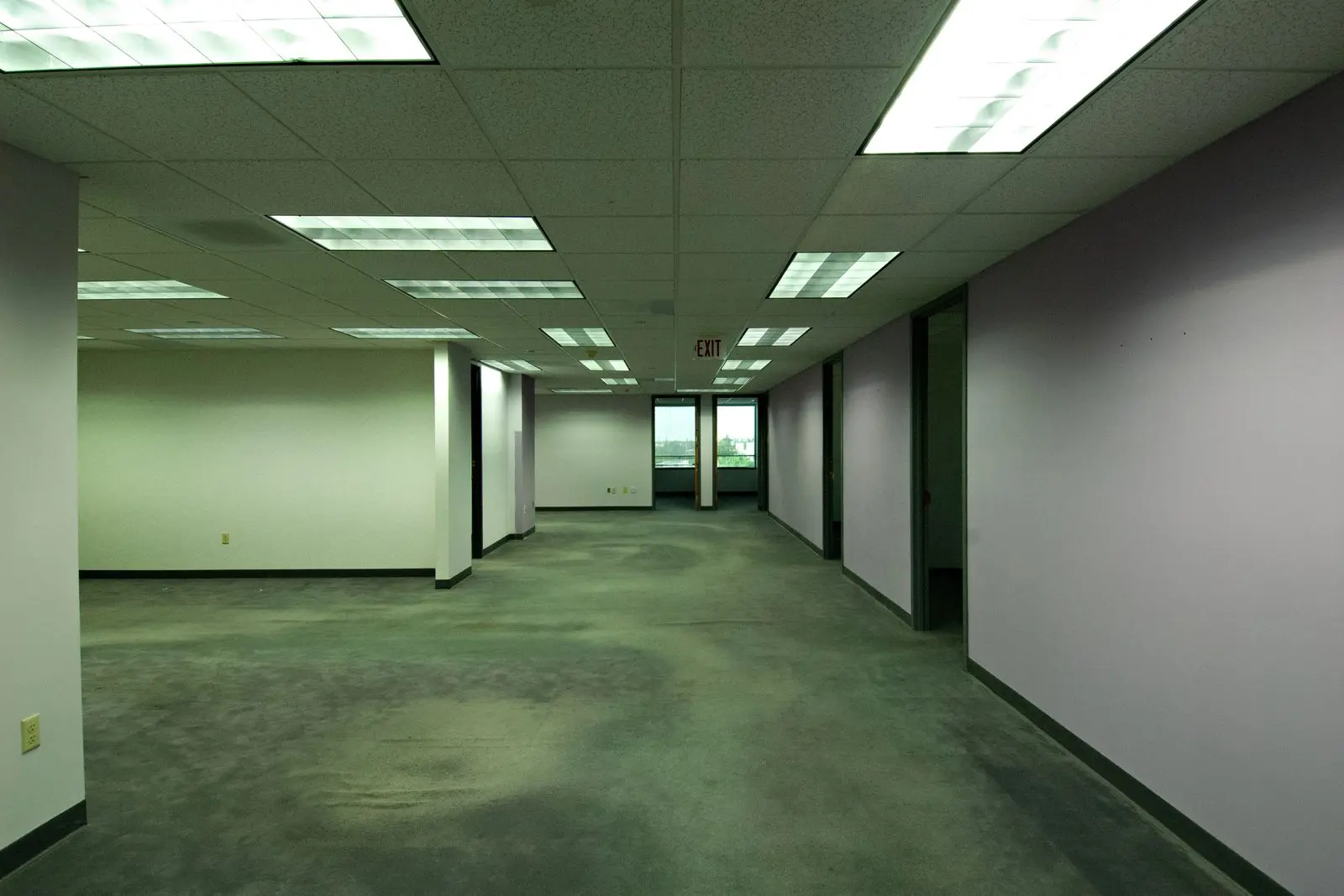

Commercial Interior Demolition Across Cupertino
Demolition FAQs
Commercial Interior Demolition Questions in Cupertino
What drives the cost of a tenant strip-out?
Square footage, type of space, restaurant equipment, flooring layers, after-hours requirements, and how far the debris must travel to the truck. Elevator and loading dock limits matter in multi-story buildings.
How long does a commercial strip-out take in Cupertino?
Small retail spaces are often cleared within a few days. Restaurants and larger offices take longer. Permits, asbestos surveys and landlord approvals need time before work begins.
Can you work at night or on weekends?
Often, yes, when the landlord requires it and the city allows it. We confirm permitted hours and plan quieter work for times when neighbors are open.
Do I need an asbestos survey for a tenant space?
For older buildings, yes. Disturbing building materials without a survey risks exposure and fines. We arrange a certified surveyor and any abatement before starting.

Demolition quote
Cupertino Strip-Out Pricing Request
Send the address, rough square footage, what kind of space it is and the date you must hand it back. We respond within 24 hours.
- Permits
- Demolition
- Haul-off