
House Demolition
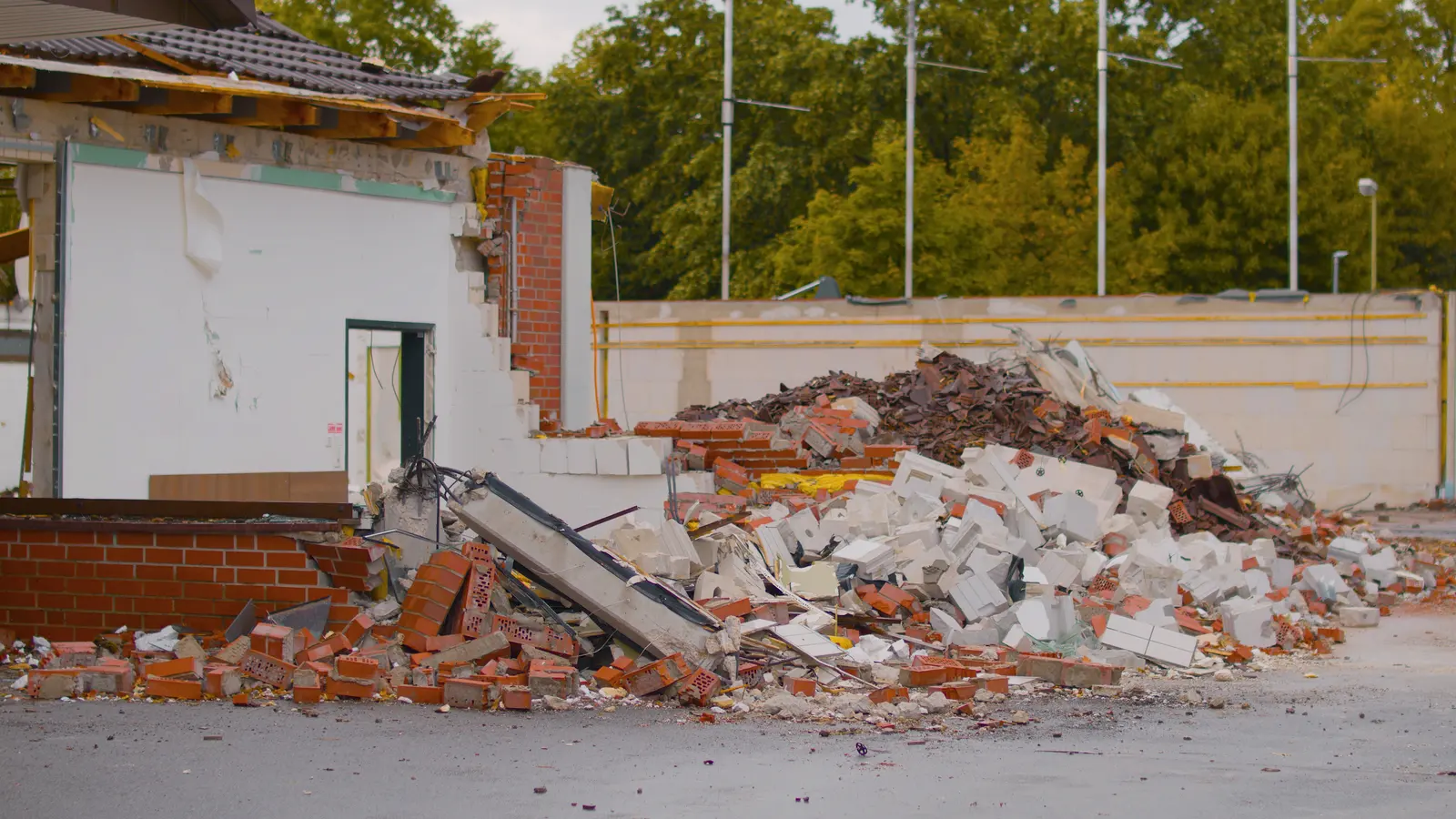
Full teardowns of 1950s and 1960s single-story homes so a new two-story house can be built, from the roof down to the footings and slab.
House Demolition detailsDemolition contractor for Cupertino and Santa Clara County
Request a demolition quote →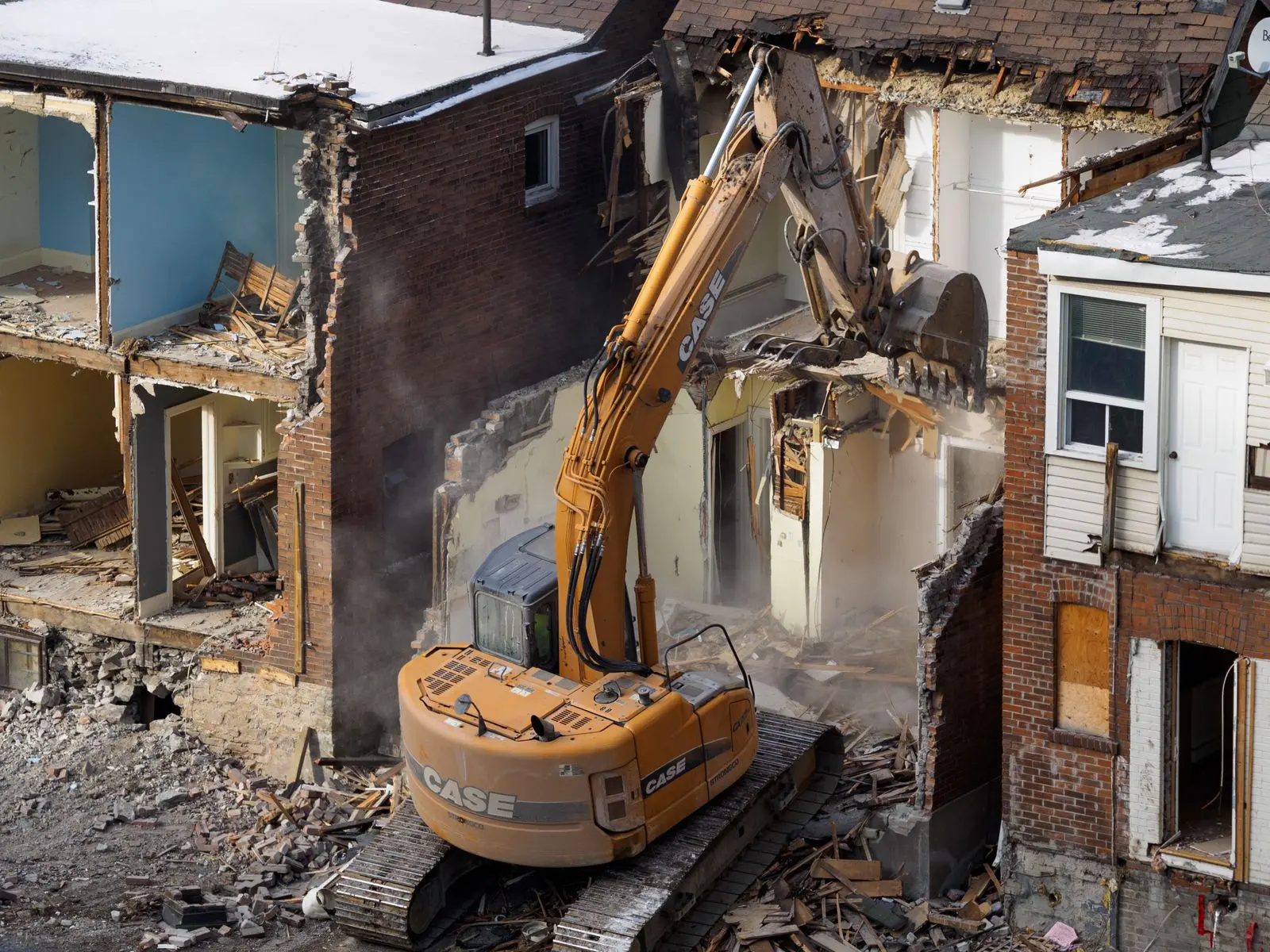
Teardowns, tear-outs, site prep
Our crew takes older Cupertino houses down to bare dirt so the next house can go up, and we handle the smaller jobs too: Eichler tear-outs, garage removals, pools, driveways and shop strip-outs along Stevens Creek Boulevard.
Demolition services in Cupertino
Thirteen kinds of work, all handled by the same crew. Most Cupertino jobs combine several of them: a house teardown usually means foundation removal, a pool fill-in, driveway breakout, debris hauling and rough grading on the same lot. Pick a service to see how it runs here.
Full teardowns of 1950s and 1960s single-story homes so a new two-story house can be built, from the roof down to the footings and slab.
House Demolition details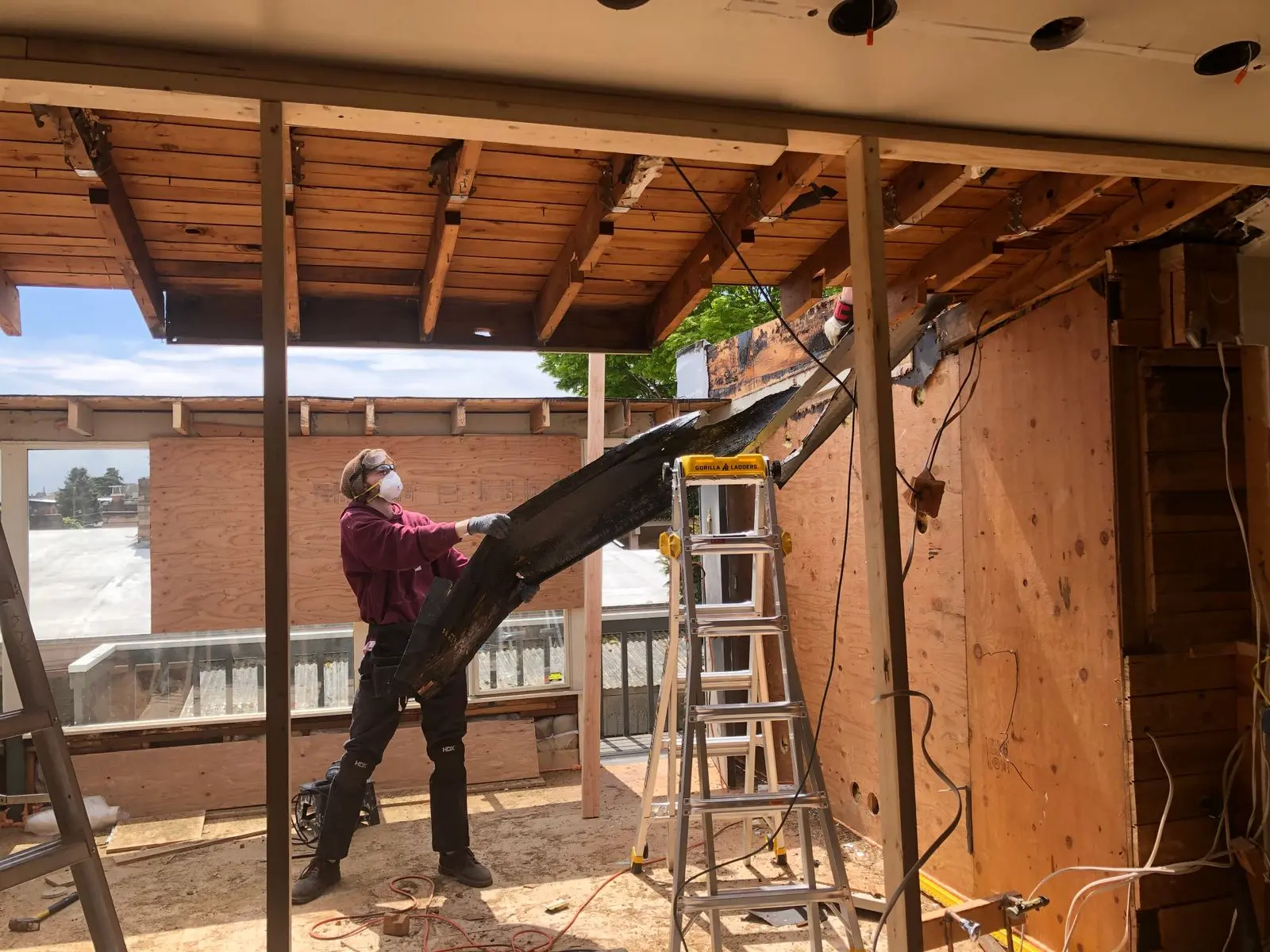
Gutting rooms or a whole floor for a remodel while the structure stays, common in Eichler homes where the shell is kept and the inside is redone.
Interior Demolition details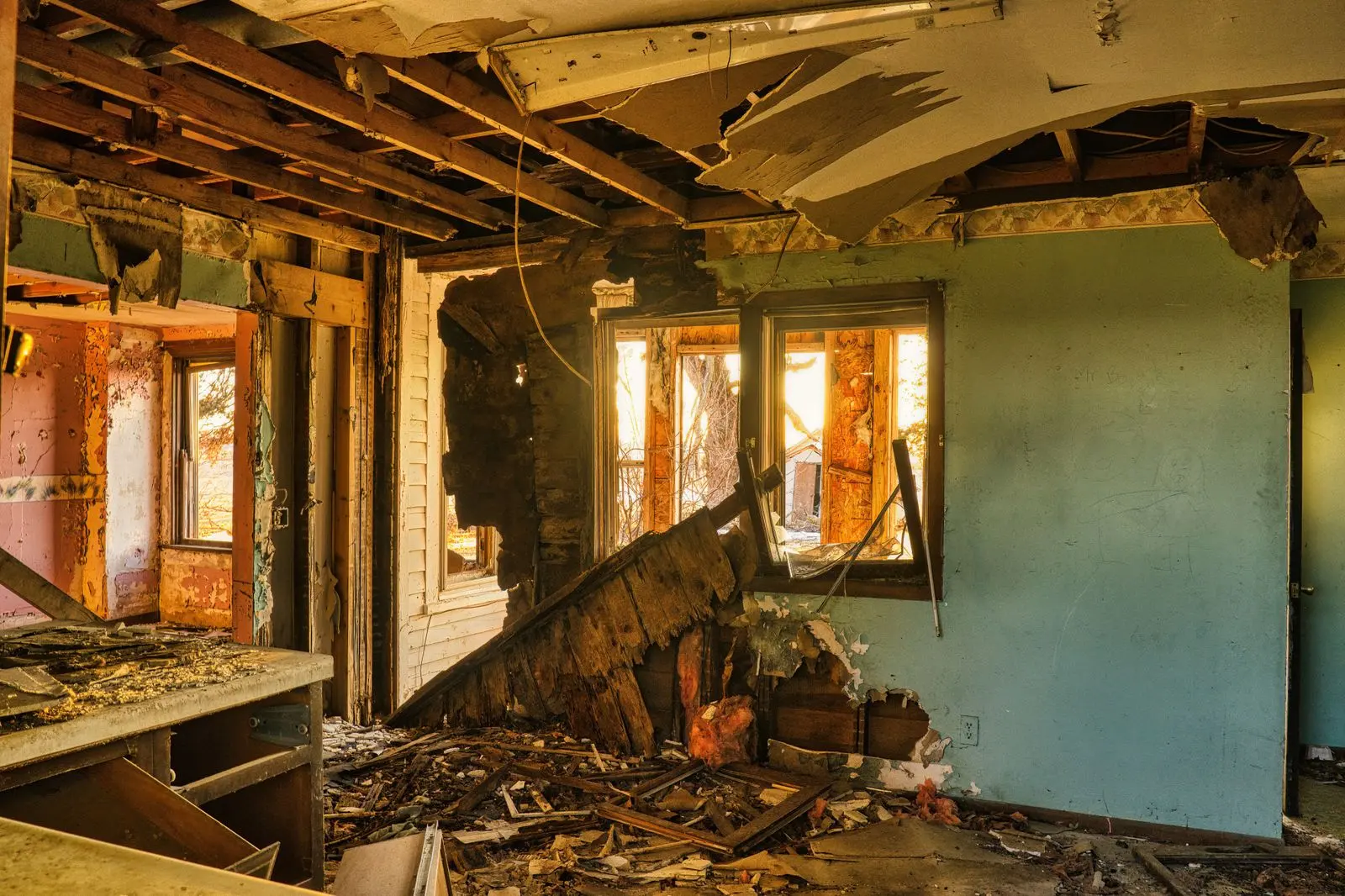
Cabinets, counters, tile, soffits and old flooring removed down to studs and subfloor, with plumbing and gas capped for the remodel crew.
Kitchen Demolition details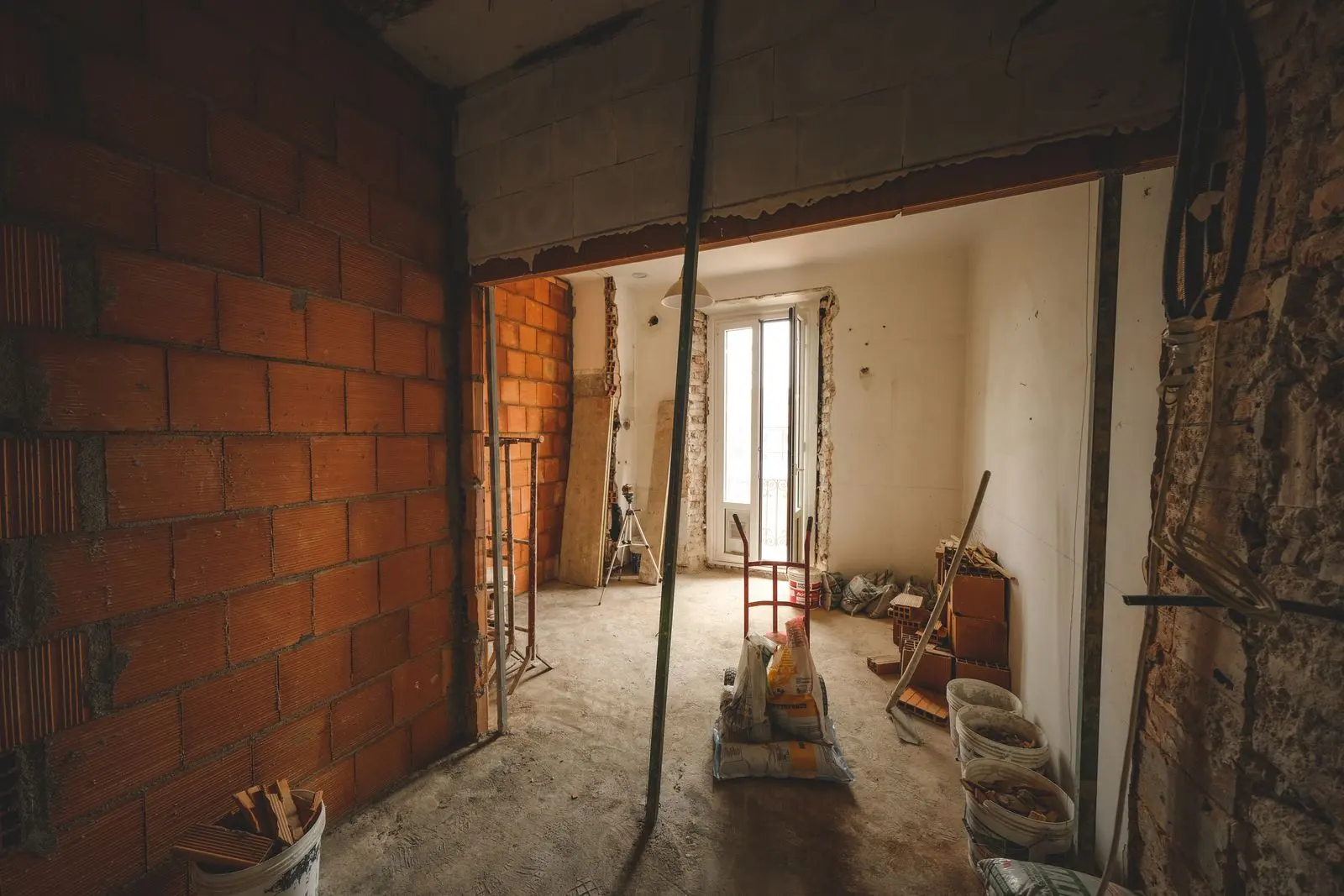
Tile, tubs, mud-set showers, vanities and damaged subfloor taken out cleanly so the bathroom remodel can start on sound framing.
Bathroom Demolition details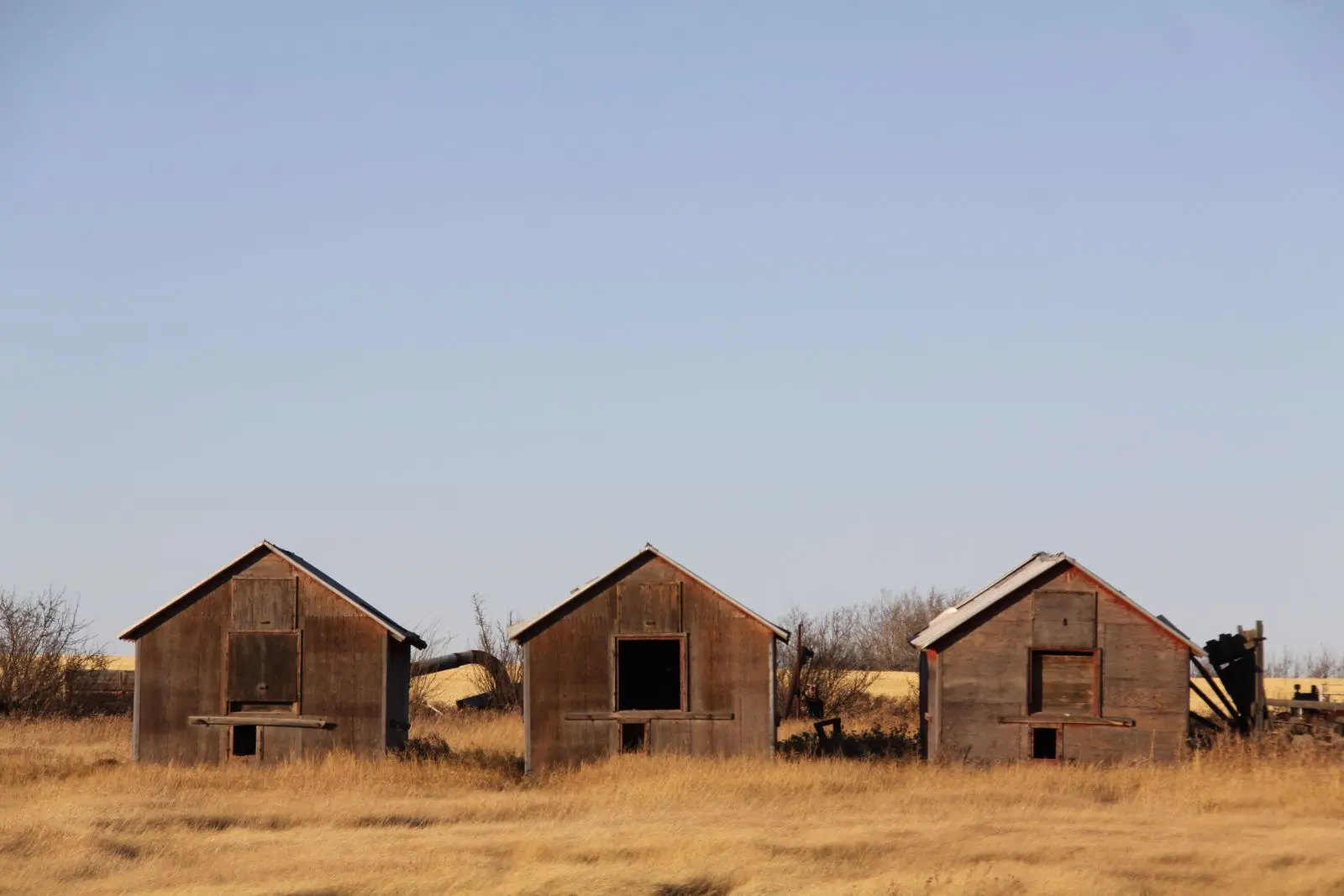
Detached garages, sheds, carports and old outbuildings removed, often to make room for an ADU or a larger footprint on the new plan.
Garages and Sheds details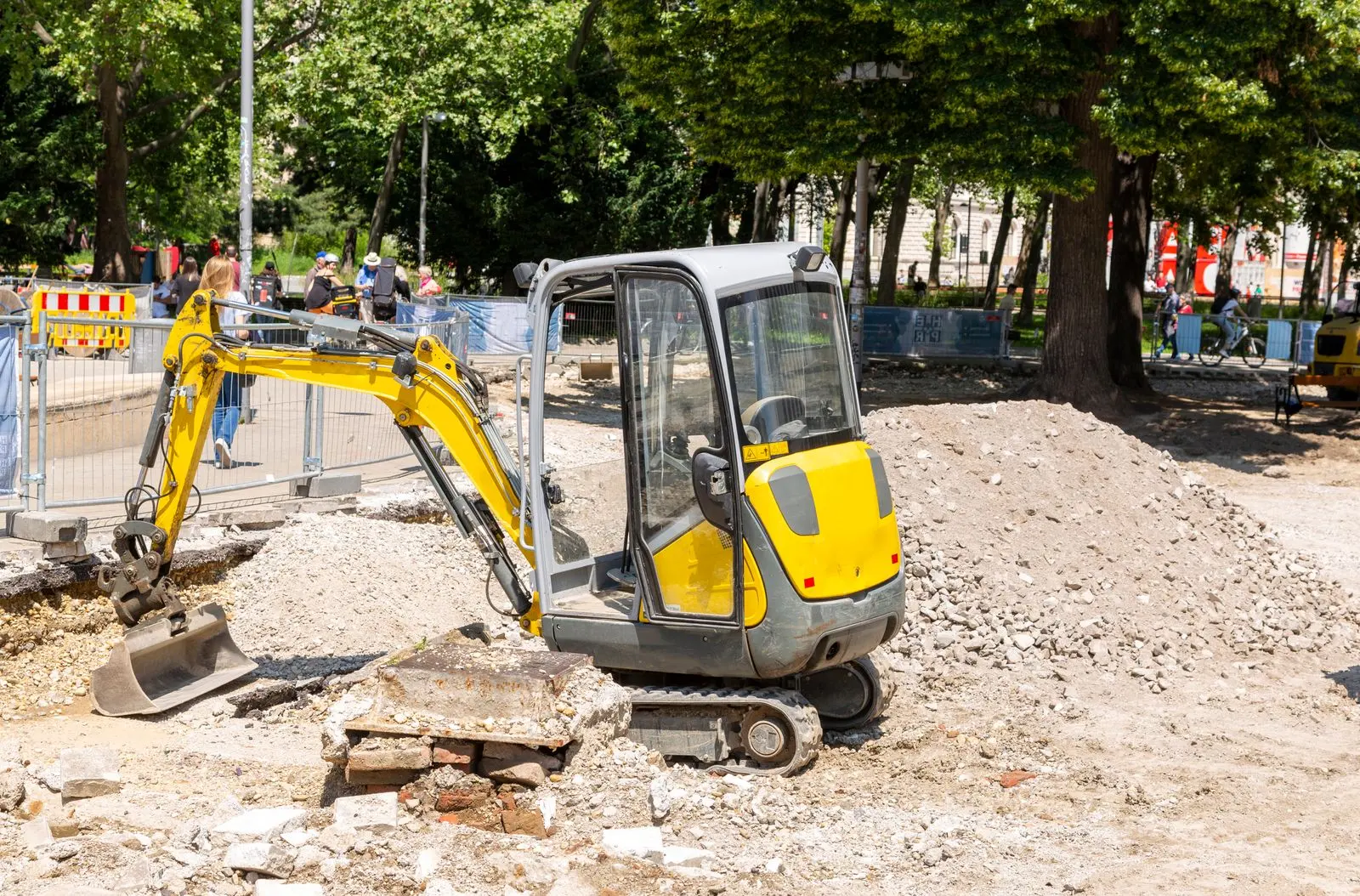
Backyard pools abandoned in place or dug out completely, then backfilled in compacted layers so the yard or a new structure can go over it.
Pool Removal details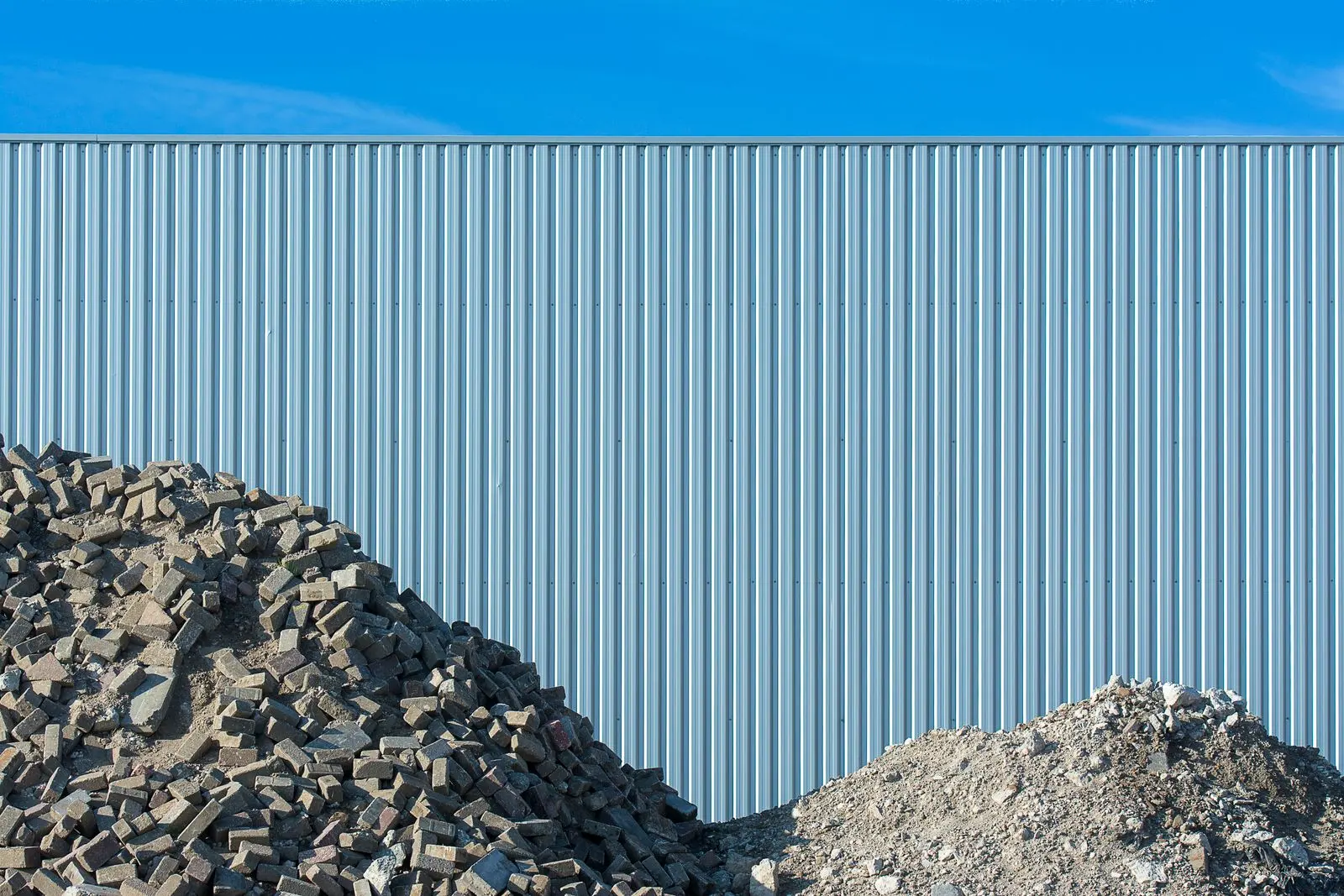
Old house slabs, footings, cracked driveways, patios and block walls broken up with a breaker and trucked to a concrete recycler.
Concrete Removal details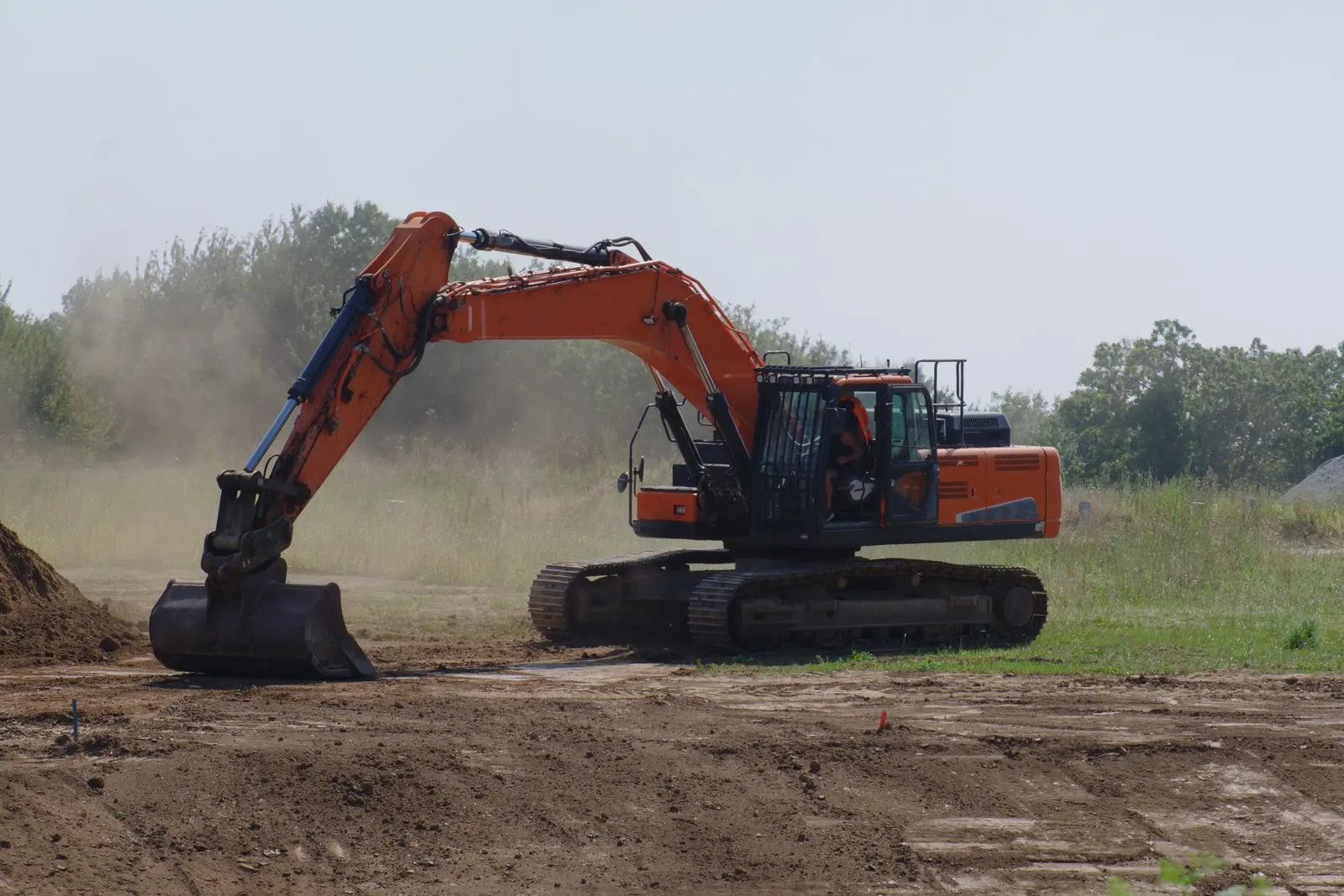
Small commercial buildings, older retail and office structures along Stevens Creek and Wolfe Road taken down for redevelopment.
Commercial Demolition details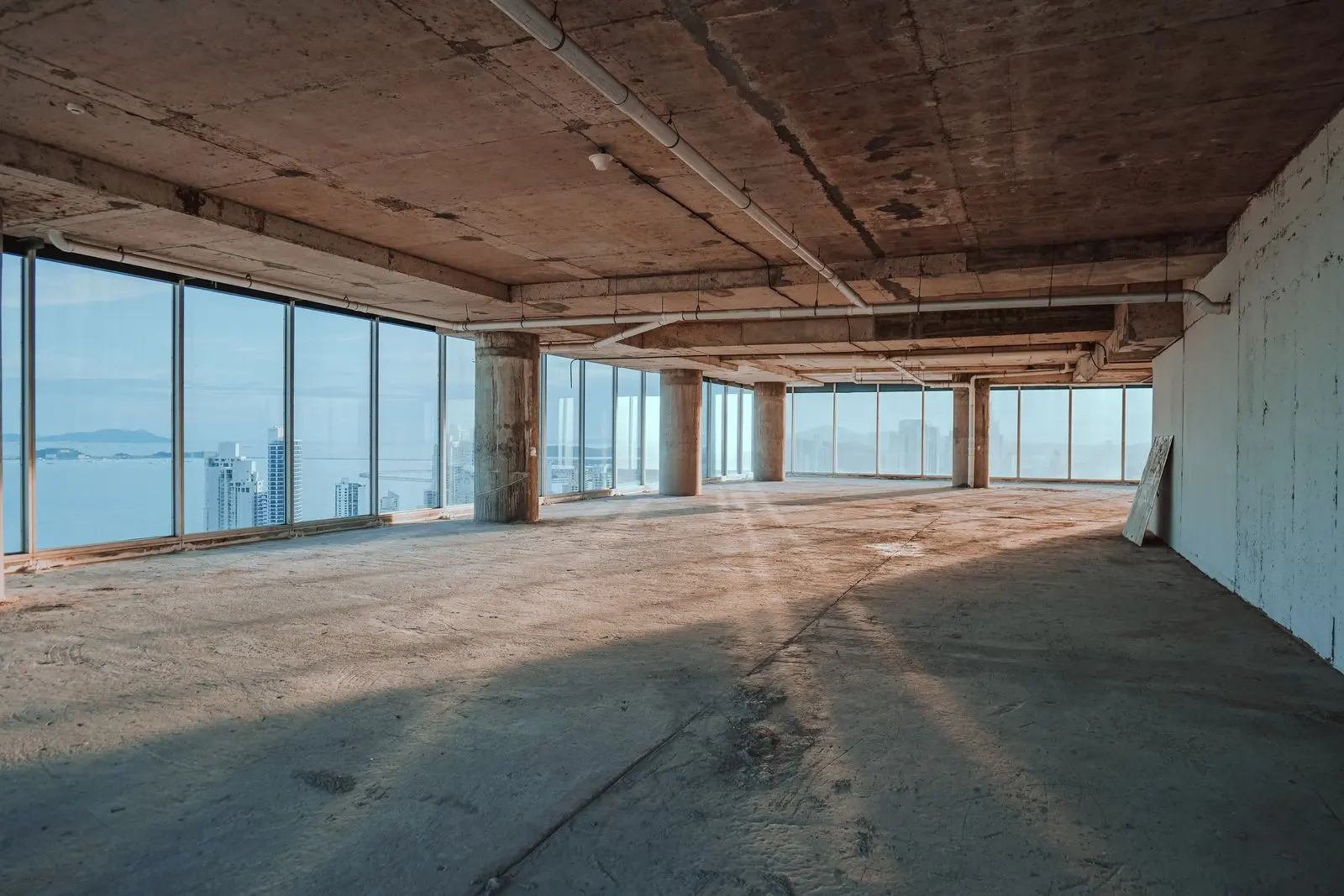
Tenant strip-outs for restaurants, shops and offices, removing old build-outs so the next tenant improvement can start.
Commercial Strip-Outs details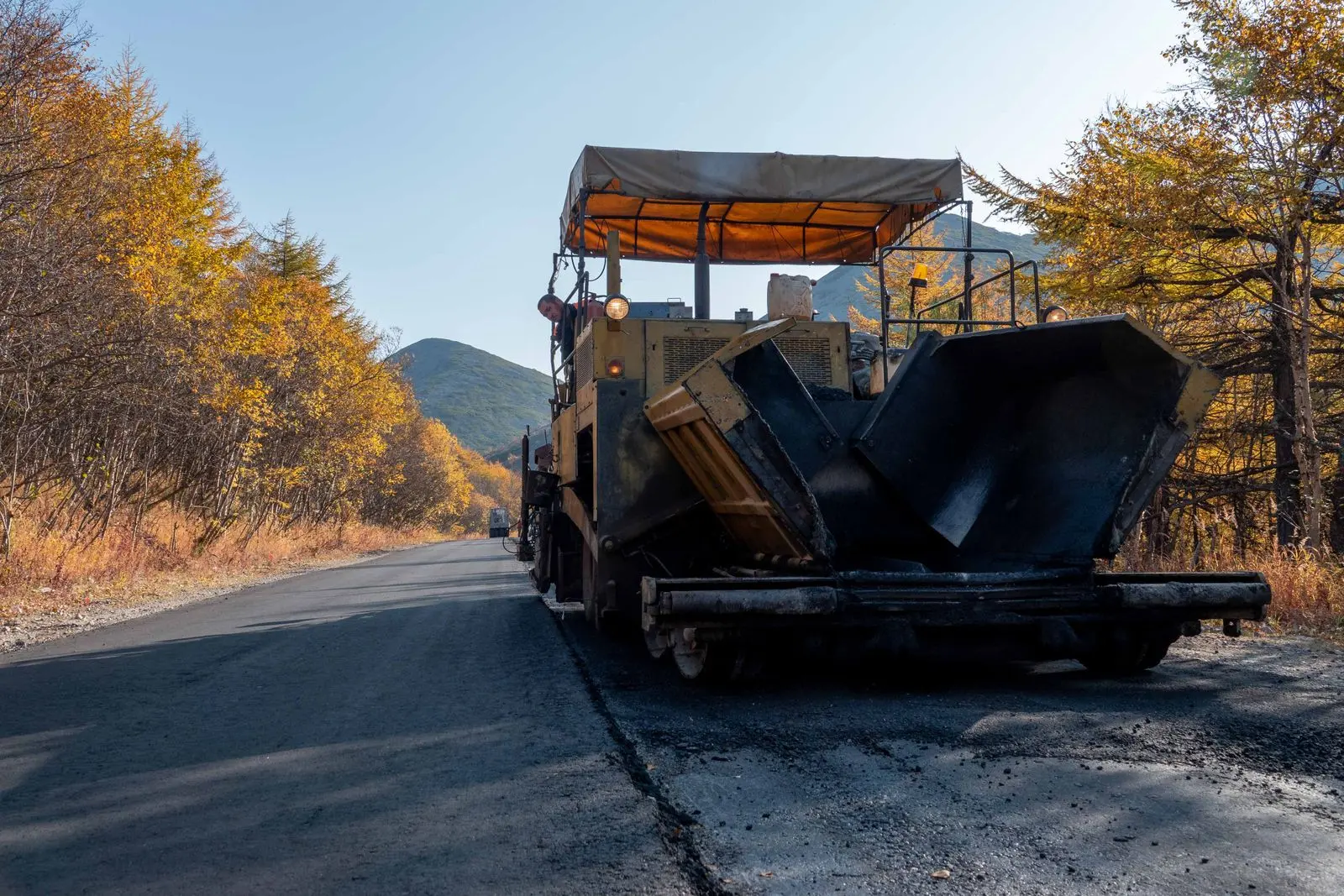
Parking lots, private roads and old asphalt driveways ground or broken out, with the material sent off to be recycled.
Asphalt Removal details
Brush, stumps, old fencing and buried junk pulled out, followed by rough grading that leaves a pad the surveyor can stake.
Lot Clearing details
Hauling and sorting of demolition debris, remodel waste and cleanout loads, with metal, wood and concrete separated for recycling.
Debris Removal details
Hand dismantling to salvage lumber, beams, doors and fixtures, useful for Eichler parts and old-growth framing worth reusing.
Deconstruction detailsDescribe what has to come down or come out in Cupertino. We will reach out, ask the right questions and put a scope and quote together.
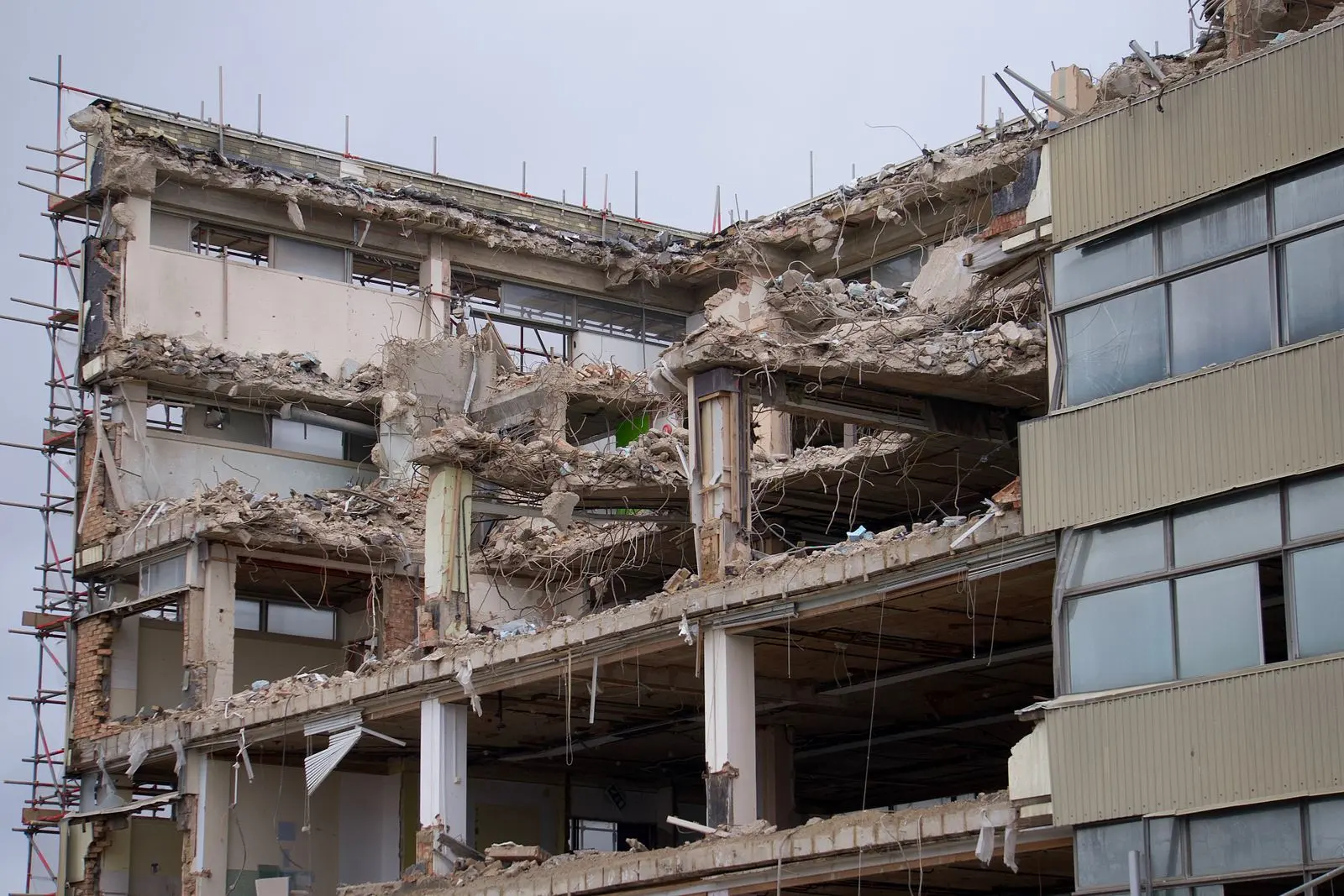
Cupertino demolition contractor
Most of the demolition work in Cupertino starts the same way. A family buys a 1950s or 1960s single-story house on a flat lot because of the school boundaries, lives in it for a while or not at all, and then hires an architect to draw a new two-story home. Before the builder can dig footings, the old house, its slab or raised foundation, the driveway, the patio and usually a backyard pool all have to come out. That is the job we do.
We are a demolition and site-work crew, not a general contractor. We take a lot from a standing house to a cleared, rough-graded pad your builder can survey, and we leave the paperwork trail the City of Cupertino Building Division expects to see. We also do interior tear-outs for owners who are keeping the house, commercial strip-outs for tenants on the Stevens Creek corridor, and lot clearing on the bigger foothill parcels toward Linda Vista and Inspiration Heights.
Typical demolition jobs
Each part of Cupertino sends us a different kind of job. These are the patterns we see most, based on the age of the houses, the zoning and the shape of the lots in each neighborhood. They are typical situations, not specific customer projects.

Garden Gate is full of 1950s and 1960s ranch houses on regular flat lots close to good schools. Buyers often plan a new two-story house from day one, so the whole structure, slab, driveway and side-yard concrete come out, and the lot is graded flat for the new foundation layout.
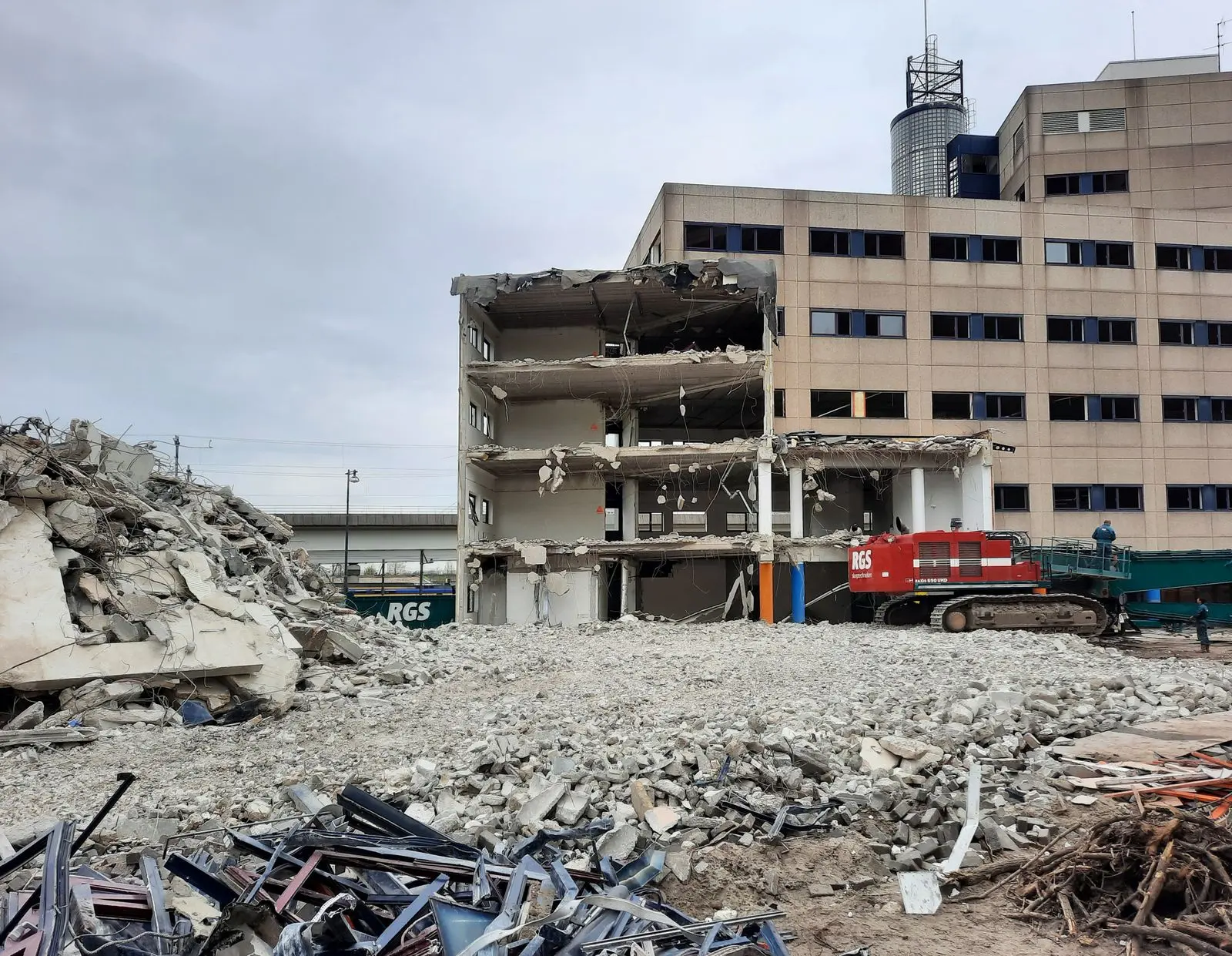
Fairgrove's R1e zoning keeps houses to a single story, so owners here gut and rebuild inside the existing post-and-beam frame. The work is careful: exposed beams, glass walls and the radiant slab are protected while finishes, walls and old systems come out.
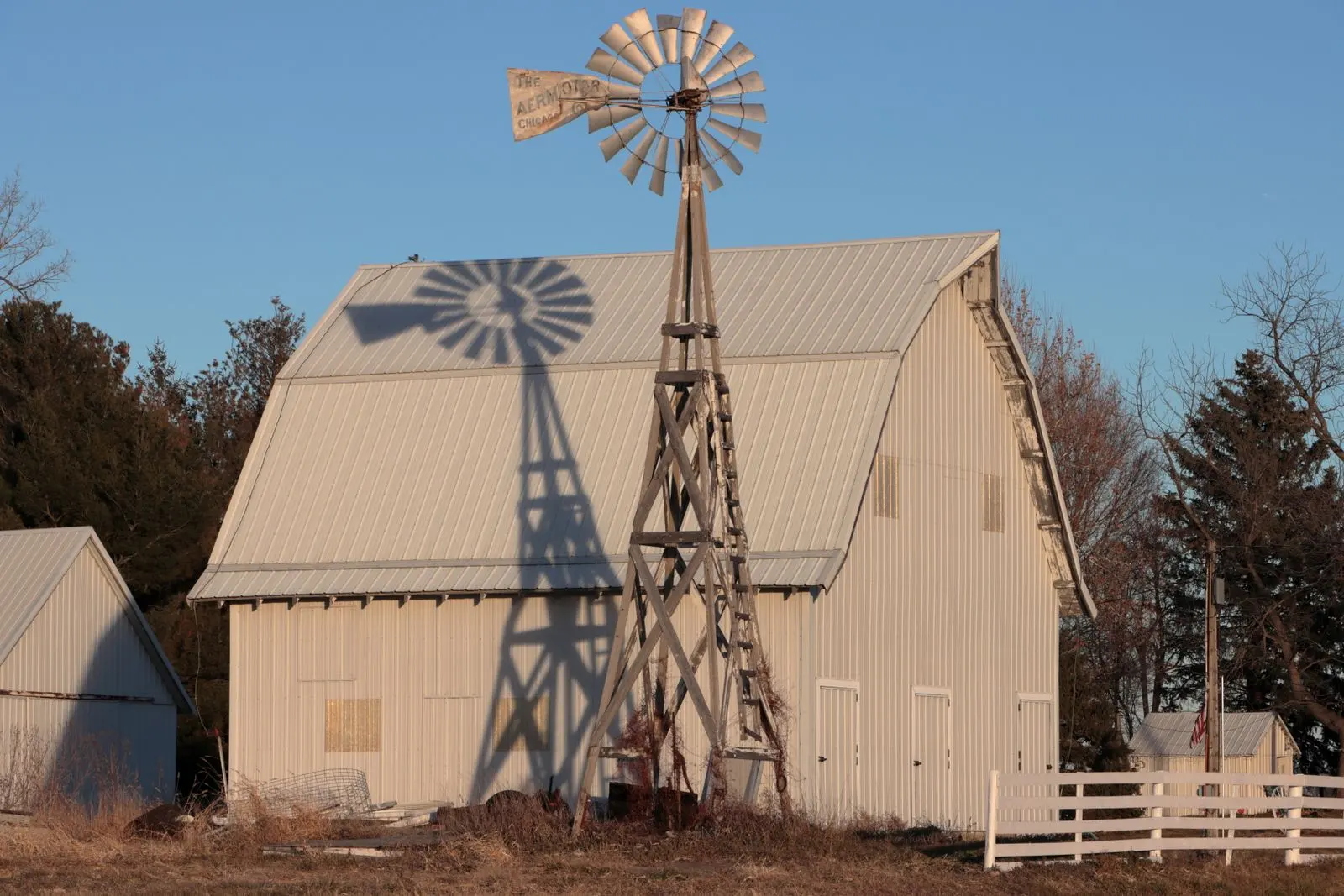
Foothill lots south of Stevens Creek Boulevard come with slopes, narrow roads and older retaining walls. Demolition here takes smaller equipment, erosion control before the rain, and attention to the wildfire-related rules that can apply on the western edge of the city.
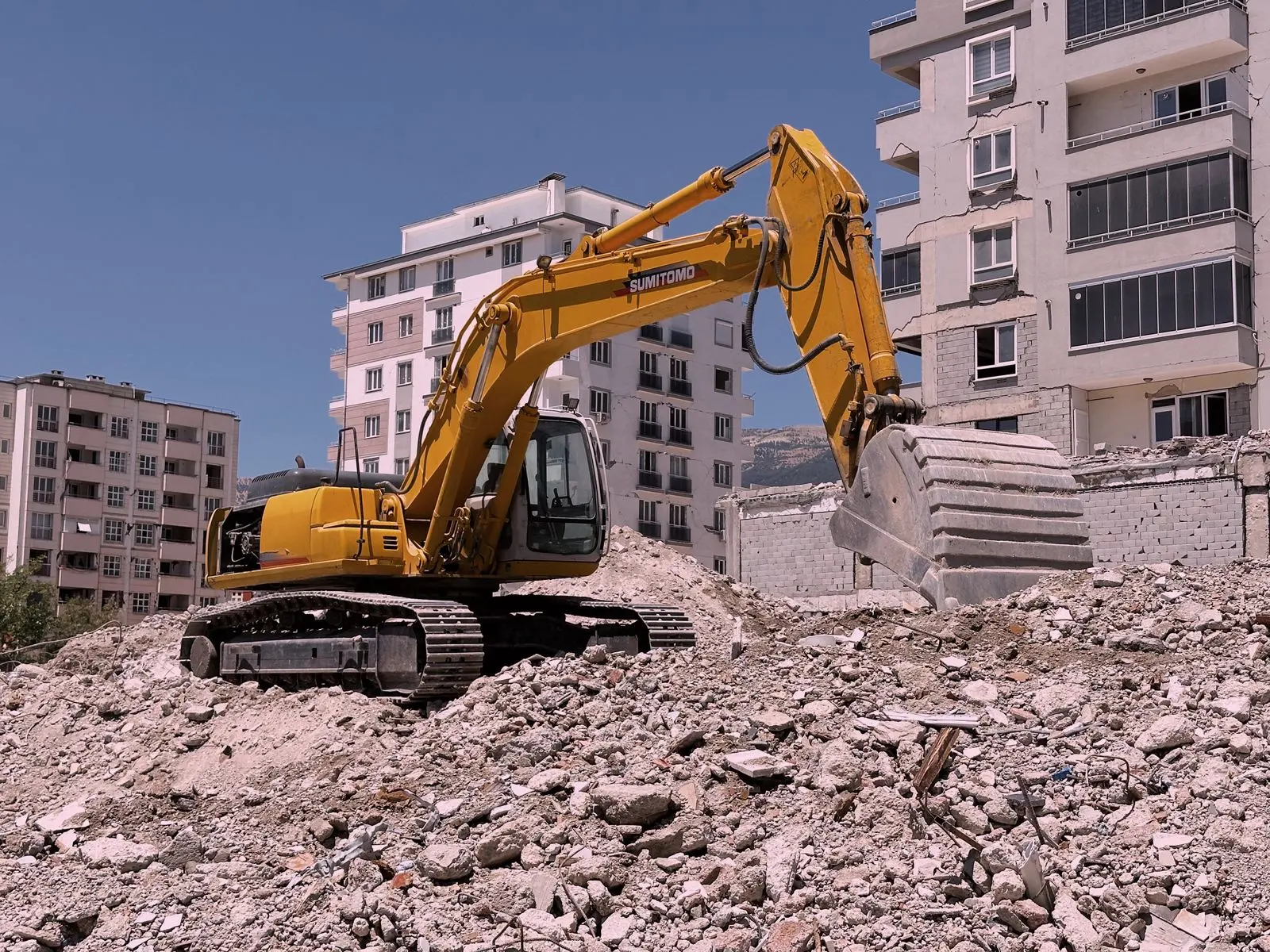
Tenants turn over regularly in the shopping centers along Stevens Creek Boulevard. Restaurant spaces need hoods, walk-in coolers, grease lines and tiled floors removed, often on a tight schedule set by the lease and the landlord's rules about work hours.

Know before you demolish
Before most demolitions in Cupertino, the Bay Area Air Quality Management District requires an asbestos survey and a written notice filed ahead of the start date. Skipping either can stop the job and bring fines. We schedule the certified surveyor, coordinate any abatement by a certified contractor, and file the notice so the waiting period runs while other paperwork moves.
Ask About Your Site
What a Cupertino demolition includes
Knocking the walls over is the easy part of a Cupertino teardown. The order of work matters, because the city will not sign off a demolition permit until the asbestos survey is done, utilities are dealt with and the air district has been notified. We plan the job around that sequence so nothing stalls once the excavator is on site.
On a typical Cupertino lot we are working within a few feet of the neighbor's fence, with kids walking to school past the driveway twice a day. We set up fencing, keep the street swept and wet the debris down so dust stays on the property. The checklist below is what a full-lot teardown usually covers.
How it works
A single bathroom and a full lot go through the same three stages. Paperwork is normally the slow part, slower than the teardown itself, so it gets started first and we keep you posted on anything still pending.
01
You describe the job in the form. We follow up, ask for photos or plans if they help, and walk the property to check access, the foundation type, the pool, trees and neighbors. Then you get a written quote.
02
A certified consultant samples for asbestos, and positive material goes to a certified abatement contractor. Then we file the Cupertino demolition permit and BAAQMD notice and request PG&E, water and sewer disconnects.
03
Equipment arrives, the structure comes down, and debris is sorted as it is loaded. Concrete, metal and wood go to recyclers. We finish with rough grading and a swept street.
Cupertino's housing stock is mostly post-war. The east side, around Rancho Rinconada, was built out in the early 1950s with small single-story tract houses on old orchard land. Fairgrove, south of Phil Lane near Tantau Avenue, is a compact Eichler tract with R1e zoning that keeps homes to one story, so owners there remodel rather than scrape. Garden Gate, Jollyman and Monta Vista are mostly ranch houses from the 1950s and 1960s, many already replaced. Seven Springs in the south is newer, from the 1980s and 1990s. The west foothills have custom homes on slopes.
Every one of these neighborhoods is inside city limits, so demolition permits for all of them run through the City of Cupertino Building Division. Asbestos falls to the Bay Area Air Quality Management District, whose Regulation 11, Rule 2 calls for a certified consultant's survey first and a notice to the district before most building demolitions. A house built before 1980 will often have asbestos in the drywall texture, flooring mastic, duct wrap or stucco, and a certified abatement contractor strips that material out ahead of our crew.
Other items come up depending on the lot. Cupertino protects certain trees, so oaks and other protected trees near the house need to be marked and fenced before equipment moves. The sewer lateral is capped at the property line under the sanitary district's rules, the water service is shut off by the water provider, and PG&E pulls the gas and electric meters. Two-story rebuilds go through planning review on their own schedule, and we can line up the demolition so it fits after your building permit is close.
Prices are not posted here, because two Cupertino teardowns that look the same from the street can price very differently. The square footage of the house matters, but the bigger swings come from what is underneath and behind it. A raised foundation with a crawlspace comes out faster than a thick slab with radiant heat tubing. A pool, a long concrete driveway or a block retaining wall can add as much work as the house itself.
Asbestos is the next variable. The survey tells us what is in the building, and the abatement contractor prices their part separately. Access is another. A wide flat lot on a quiet Garden Gate street lets trucks back in and load from the driveway, while a foothill lot off Foothill Boulevard may need smaller equipment, more trips and extra erosion control. Haul distance, how much concrete and metal can be recycled, tree protection fencing, and how fast you need the lot ready all show up in the number. When you tell us about the job, we walk the property and give you a quote that breaks those pieces out.
Cupertino service areas
We work in every Cupertino neighborhood, from the Eichler tracts on the east side near Lawrence Expressway to the foothill streets west of Foothill Boulevard. Monta Vista, Garden Gate, Jollyman, Seven Springs, Linda Vista, Rancho Rinconada, Fairgrove and Inspiration Heights all have their own housing patterns, and the commercial strips at Heart of the City and the old Vallco site bring a different kind of work.

City of Cupertino
Family ranch homes near Jollyman Park off Stelling Road, with frequent backyard pool, patio and full teardown work.
Jollyman demolition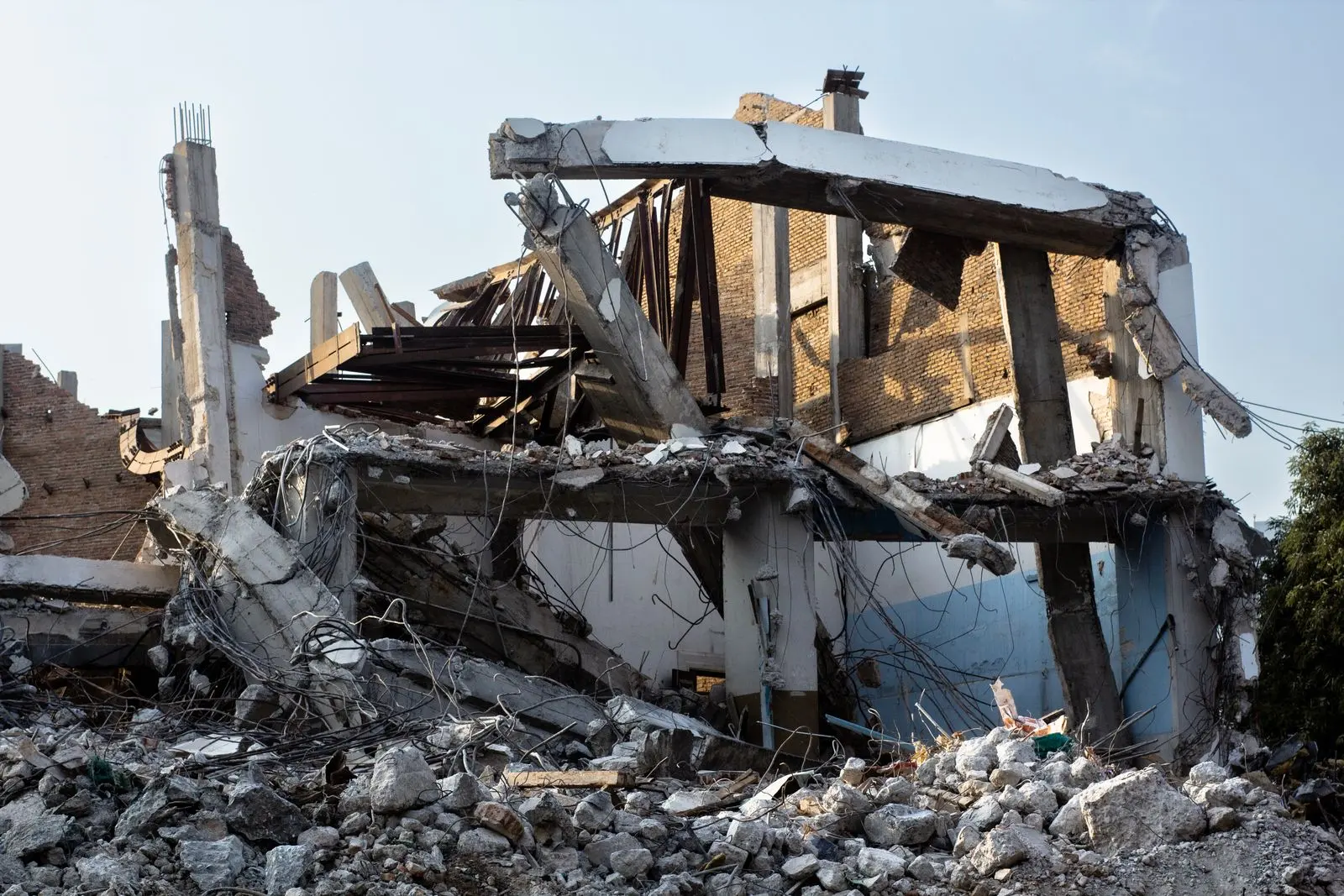
City of Cupertino
Larger lots near Linda Vista Park and Deep Cliff with multiple structures, long driveways, slopes and protected trees.
Linda Vista demolition
City of Cupertino
Restaurant and retail strip-outs and small building demolition along the Stevens Creek Boulevard commercial corridor.
Heart of the City demolitionDemolition FAQs
It is. The City of Cupertino Building Division issues demolition permits, and it will want proof of the asbestos survey, the BAAQMD notification and utility disconnects before it does. We prepare and file the application and track it through to approval.
Knocking down a typical single-story house and removing its foundation and flatwork usually runs a matter of days to a couple of weeks depending on size, pool and concrete. The survey, any abatement, the air district waiting period and the permit add time before that, so plan for the paperwork to take longer than the work.
PG&E removes the gas and electric meters, and your water provider shuts off and caps the water service. The sewer lateral is capped under the sanitary district's rules. We submit the requests and coordinate dates, but the utilities do the disconnects themselves, so it helps to start early.
Then a certified abatement contractor takes it out before any demolition begins. We schedule them, coordinate access and wait for their clearance before our crew starts. We do not do abatement ourselves.
Sometimes. An engineer has to confirm the old foundation can carry the new design, and most two-story rebuilds in Cupertino need new footings, so the slab usually comes out. If you are keeping part of it, we protect what stays and remove the rest.
Construction hours are set by the city and your permit conditions, and they are generally weekday daytime hours with tighter limits on weekends. Some HOAs and commercial landlords add their own rules. We schedule noisy work inside the allowed window.
Most of it by weight. Concrete, asphalt and metal are separated and sent to recyclers, and clean wood is pulled out where possible. California's CALGreen rules require construction and demolition waste to be diverted from landfill, and the city tracks it on the permit.

Demolition quote
Describe the house, garage, pool or space that needs to go. Within 24 hours we contact you by phone or email to book a walk-through.